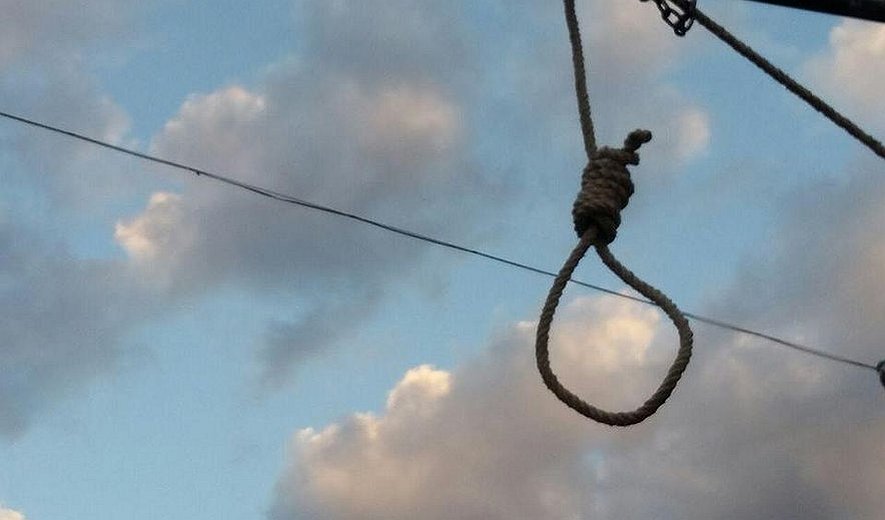
L’IRAN continua ad applicare la pena di morte contro i suoi stessi figli
Marzo 20, 2026

Questo decreto legge sembra essere ispirato fondamentalmente dal timore dello Stato di non poter controllare certi fenomeni di criminalità urbana: da un lato, si perseguono (legittimamente) i reati che sono commessi concretamente; dall’altro si intendono prevenire situazioni che possano portare ad un crimine non ancora commesso.
Si fermano persone in possesso di lame proibite dalla legge portate fuori casa o fuori dalle pertinenze di proprietà senza giustificato motivo.
Si possono sottoporre a fermo fino a 12 ore di persone che possano costituire minaccia per l’ordine pubblico durante manifestazioni (ma che ancora non hanno fatto nulla), notiziandone il pubblico ministero (che poi può confermare o meno tale fermo).
Si possono prevedere operazioni di polizia per prevenire reati che turbino l’ordine e la sicurezza in luoghi ove sono presenti molte persone.
Si obbligano gli stranieri a cooperare per la loro identificazione in caso di detenzione o internamento (in caso contrario, tale mancanza di collaborazione influenzerà la valutazione circa la pericolosità dell’immigrato stesso).
Sono aumentati tutti gli importi delle sanzioni amministrative ed il prefetto è il motore dell’emissione di tali sanzioni. Tali introiti verranno destinati anche al Ministero dell’Interno al fine della remunerazione del lavoro straordinario effettuato dal personale non dirigenziale della stessa Amministrazione civile.
Ricordiamo che il prefetto è il rappresentante del Governo nelle provincie e presiede il Comitato provinciale per l’ordine e la sicurezza. E ricordiamo che il decreto legge è un atto del Governo che viene adottato perché risponde a situazioni di urgenza e straordinarietà.
E allora sorge spontaneo un dubbio: se i fenomeni di microcriminalità urbana (come le baby gang) e di nuove forme di protesta diffusa (come i blocchi stradali) sono problematiche sociali che vanno affrontate in un’ottica sociale e che riguardano la sicurezza della collettività, allora non sono fenomeni urgenti e straordinari. E’ la società che sta cambiando. E quindi tutto questo dovrebbe essere affrontato con leggi che scaturiscono dal dibattito parlamentare e non da una reazione di pancia del governo di turno.
Non è giusto ovviamente uscire con un coltello di 8 centimetri e uccidere il primo passante che si incontra, ma non si può allora nemmeno vendere un’accetta nei negozi di giardinaggio. O rilasciare il porto d’armi a una persona accusata di minacce e atti persecutori.
Rileggiamo il decreto legge e traiamo le nostre conclusioni sulla strada che in questi anni sembra aver imboccato il nostro Paese.
Pensiamo che la pancia del paese non dovrebbe restringere lo spazio dei diritti civili e delle libertà personali.
Fonti: Gazzetta Ufficiale 25 febbraio 2026, decreto legge Sicurezza 23/2026.
Altalex.com – Luca Della Ragione – Le novità del DL Sicurezza 23/2026
———————————–
Decree-Law 23/2026 on Public (In)security and Immigration?
This decree-law appears to be fundamentally driven by the state’s fear of being unable to control certain forms of urban crime: on the one hand, it (legitimately) prosecutes crimes that have actually been committed; on the other, it aims to prevent situations that could lead to a crime that has not yet been committed.
Individuals in possession of blades prohibited by law who carry them outside their homes or off their property without a valid reason are subject to detention.
Individuals who may pose a threat to public order during demonstrations (but who have not yet committed any offense) may be detained for up to 12 hours, with the public prosecutor being notified (who may then confirm or reject such detention).
Police operations may be carried out to prevent crimes that disrupt public order and safety in places where large numbers of people are present.
Foreign nationals are required to cooperate in their identification in the event of detention or internment (failure to do so will affect the assessment of the immigrant’s level of danger).
All amounts of administrative fines have been increased, and the prefect is the driving force behind the issuance of such fines. These revenues will also be allocated to the Ministry of the Interior to compensate for overtime worked by non-managerial staff within the civil administration.
We note that the prefect is the government’s representative in the provinces and chairs the Provincial Committee for Public Order and Security. We also note that a decree-law is a government act adopted in response to urgent and extraordinary situations.
And so a question naturally arises: if phenomena such as urban petty crime (like youth gangs) and new forms of widespread protest (like roadblocks) are social issues that must be addressed from a social perspective and that concern public safety, then they are not urgent or extraordinary phenomena. It is society that is changing. And so all of this should be addressed with laws that emerge from parliamentary debate, not from a knee-jerk reaction by the government in power.
It is obviously wrong to go out with an 8-centimeter knife and kill the first passerby you encounter, but then you can’t even sell an axe in garden stores. Or issue a gun permit to a person accused of threats and stalking.
Let’s take another look at the decree-law and draw our own conclusions about the path our country seems to have taken in recent years.
We believe that the country’s gut instinct should not infringe upon civil rights and personal freedoms.
Sources: Official Gazette, February 25, 2026; Security Decree-Law 23/2026.
Altalex.com – Luca Della Ragione – What’s New in Security Decree-Law 23/2026

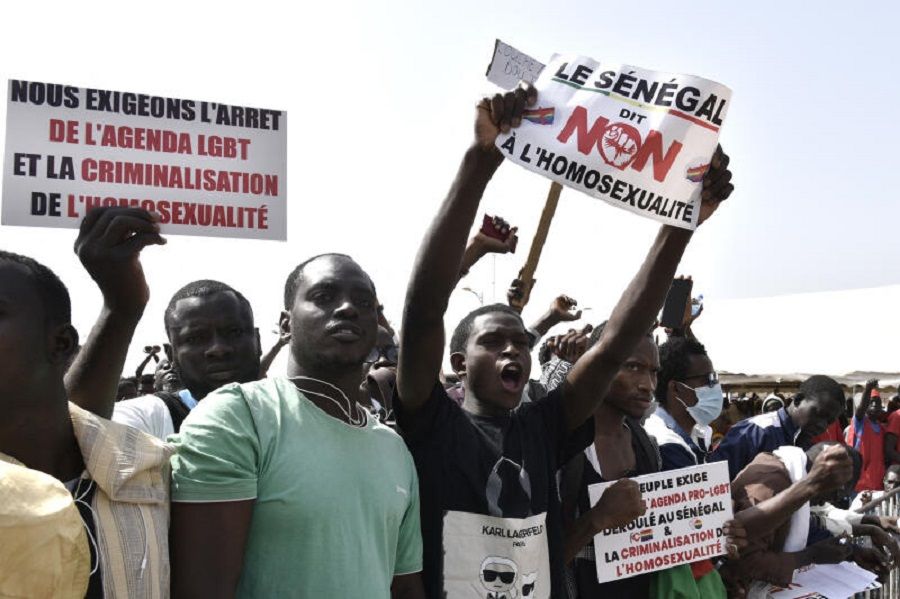
Protesters holds placards as they take part on February 20, 2022, in a demonstration calling for strictier repressive measures against homosexuality at the Obelisk Square in Dakar. Thousands of people demonstrated in Dakar on Sunday to demand a strengthening of the repression of homosexuality in Senegal after the recent rejection by Parliament of a text toughening the laws in the matter, noted AFP journalists. (Photo by SEYLLOU / AFP)
Marzo 16, 2026