AFRICA E LEGGI ANTI-LGBTQIA+
Marzo 16, 2026
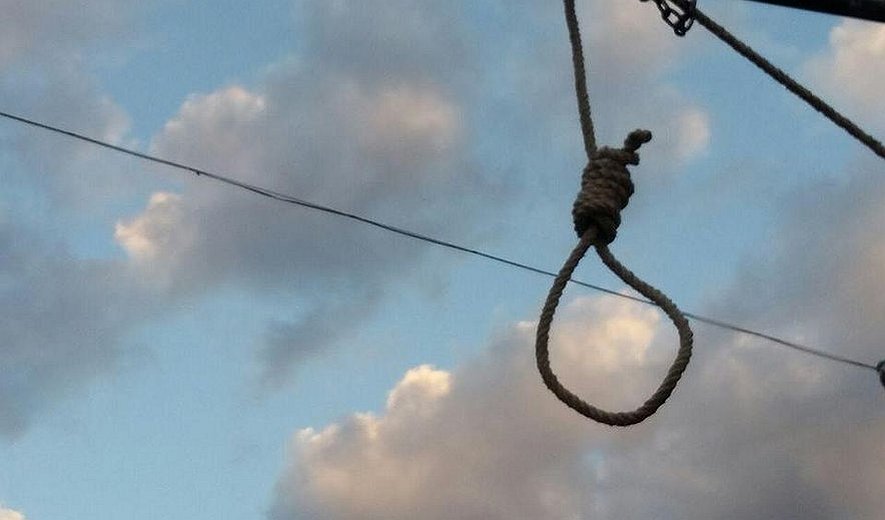
All’alba del 19 marzo in IRAN sono stati giustiziati tre giovani con l’accusa di aver ucciso due agenti delle forze dell’ordine e perché ritenuti colpevoli del reato di “moharebeh”, cioè “guerra contro Dio”. Erano Mehdi Ghasemi, Saleh Mohammadi (wrestler di livello internazionale, di 19 anni) e Saeed Davoudi.
Durante le proteste dello scorso gennaio, tra le migliaia di manifestanti vi erano molti atleti e 200 di loro hanno firmato una lettera aperta al Comitato Olimpico Internazionale per chiedere un segnale forte. Sono stati uccisi 65 tra atleti e allenatori durante quei giorni.
Ora si teme per la sorte degli altri atleti arrestati e detenuti, alcuni neanche si sa dove siano finiti.
Sono drammatiche le sorti anche di quei ragazzi feriti e trasportati negli ospedali, dove i dottori non hanno potuto soccorrerli perché minacciati di morte a loro volta: un ragazzo ferito di 17 anni è stato ucciso con un colpo alla nuca mentre era ancora intubato. La famiglia ne è venuta a conoscenza solo dopo estenuanti ricerche perché la mancanza di internet aveva impedito loro di avere notizie.
Il dolore per le sofferenze che stanno dilaniando le popolazioni del medio Oriente è ingestibile, sembra che nessuno sappia come affrontare tutte queste atroci notizie. E la guerra sta ampliando il suo raggio di azione.
Una cosa però la possiamo fare: informarci, far girare le informazioni, verificare sempre ciò che leggiamo (e vediamo). Insomma, darci da fare anche se nel nostro piccolo. Il silenzio potrebbe sembrare complicità o consenso con le atrocità che leggiamo ormai tutti i giorni. Anche se taciamo, i bambini denutriti e feriti di Gaza o i bambini ucraini rapiti dalla Russia non cessano di soffrire: dobbiamo parlare anche per loro, dare voce a chi non ne ha. Raccontare le storie di coloro che non possono più farlo crea un legame con loro: associare un nome a un viso ci ricorda che dietro a quella notizia, magari di poche righe, c’è un essere umano reale.
Difendere i diritti umani vuol dire anche questo e, in questi momenti bui, può servire a non mollare, a non scoraggiarsi. La repressione, le torture, le esecuzioni giudiziali ed extragiudiziali che stanno avendo luogo in IRAN non ci convinceranno mai che la pena di morte e le violazioni dei diritti umani siano giuste e legittime.
Direttivo
Coalizione Italiana contro la Pena di Morte APS
Fonti:
IRAN International iranintl.com (articolo di Hooman Abedi);
agi.it/estero/news/2026-03-19/iran-giustiziati-manifestanti-contro-regime (articolo di Marta Allevato).
——————————————————————-
(English version)
Iran continues to impose the death penalty on its own people
At dawn on March 19, three young men were executed in Iran on charges of killing two law enforcement officers and for being found guilty of the crime of “moharebeh,” meaning “war against God.” They were Mehdi Ghasemi, Saleh Mohammadi (a 19-year-old international-level wrestler), and Saeed Davoudi.
During the protests last January, many athletes were among the thousands of demonstrators, and 200 of them signed an open letter to the International Olympic Committee calling for a strong statement. Sixty-five athletes and coaches were killed during those days.
Now there are fears for the fate of the other athletes who have been arrested and detained; in some cases, it is not even known where they have been taken.
The fate of those young people who were wounded and taken to hospitals is equally tragic; there, doctors were unable to treat them because they themselves were threatened with death: a 17-year-old boy was shot in the back of the head while he was still on a ventilator. His family only learned of this after an exhausting search, as the lack of internet access had prevented them from receiving any news.
The pain caused by the suffering that is tearing apart the people of the Middle East is unbearable; it seems that no one knows how to cope with all this horrific news. And the war is expanding its reach.
There is one thing we can do, however: stay informed, share information, and always verify what we read (and see). In short, take action, even if only in our own small way. Silence could be seen as complicity or consent to the atrocities we now read about every day. Even if we remain silent, the malnourished and wounded children of Gaza or the Ukrainian children abducted by Russia do not cease to suffer: we must speak up for them as well, giving a voice to those who have none. Telling the stories of those who can no longer do so creates a bond with them: associating a name with a face reminds us that behind that news item—perhaps just a few lines long—there is a real human being.
Defending human rights also means this, and in these dark times, it can help us not to give up, not to lose heart. The repression, torture, and judicial and extrajudicial executions taking place in IRAN will never convince us that the death penalty and human rights violations are just and legitimate.
The Board of Directors
Italian Coalition to Abolish the Death Penalty
Sources:
IRAN International iranintl.com (Hooman Abedi);
agi.it/estero/news/2026-03-19/iran-giustiziati-manifestanti-contro-regime (Marta Allevato).

Related posts
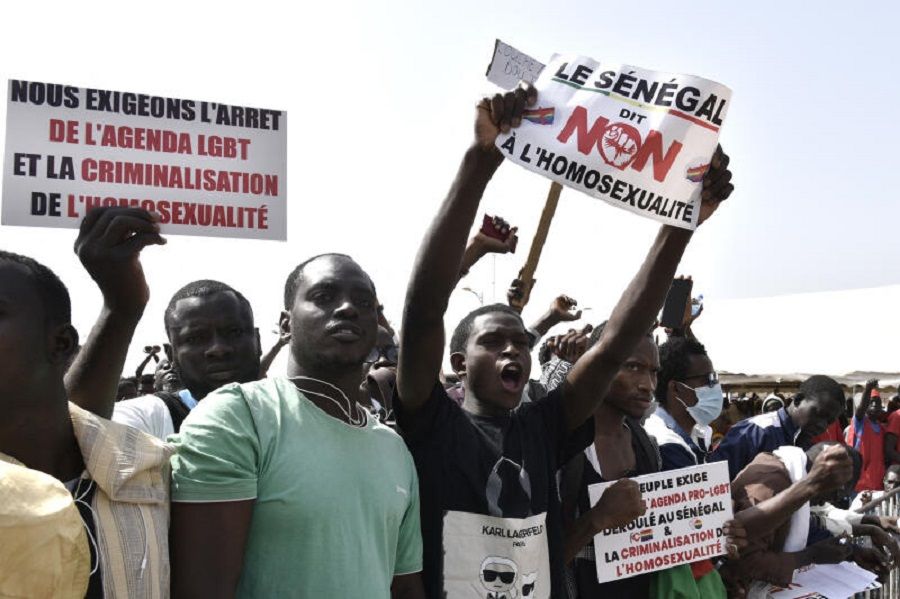
Protesters holds placards as they take part on February 20, 2022, in a demonstration calling for strictier repressive measures against homosexuality at the Obelisk Square in Dakar. Thousands of people demonstrated in Dakar on Sunday to demand a strengthening of the repression of homosexuality in Senegal after the recent rejection by Parliament of a text toughening the laws in the matter, noted AFP journalists. (Photo by SEYLLOU / AFP)