In Italia essere donna oggi è ancora una sfida
Marzo 8, 2026

English version below
Il 10 marzo 1946 le donne italiane votarono per la prima volta alle elezioni amministrative, grazie alla legge del 1945 che prevedeva il il suffragio universale.
Le italiane avrebbero votato anche al referendum istituzionale del 2 giugno 1946 quando l’Italia fu chiamata a scegliere tra Repubblica e Monarchia.
Furono elette 21 donne chiamate le madri costituenti e tra queste ricordiamo Nilde Iotti, che poi sarebbe stata la prima donna presidente della camera dei deputati, e Angelina Merlin, autrice della legge che avrebbe portato all’abolizione della prostituzione come fenomeno regolato dallo Stato.
Con questo voto si voleva riconoscere il valore che le donne avevano avuto durante gli anni della Resistenza, quando avevano imparato a fare le staffette, ad aiutare i partigiani e tutto il movimento della resistenza. I regimi autoritari europei avevano interrotto quel progresso che si era cominciato a vedere nell’universo femminile dopo la Prima Guerra Mondiale, le volevano madri ed educatrici.
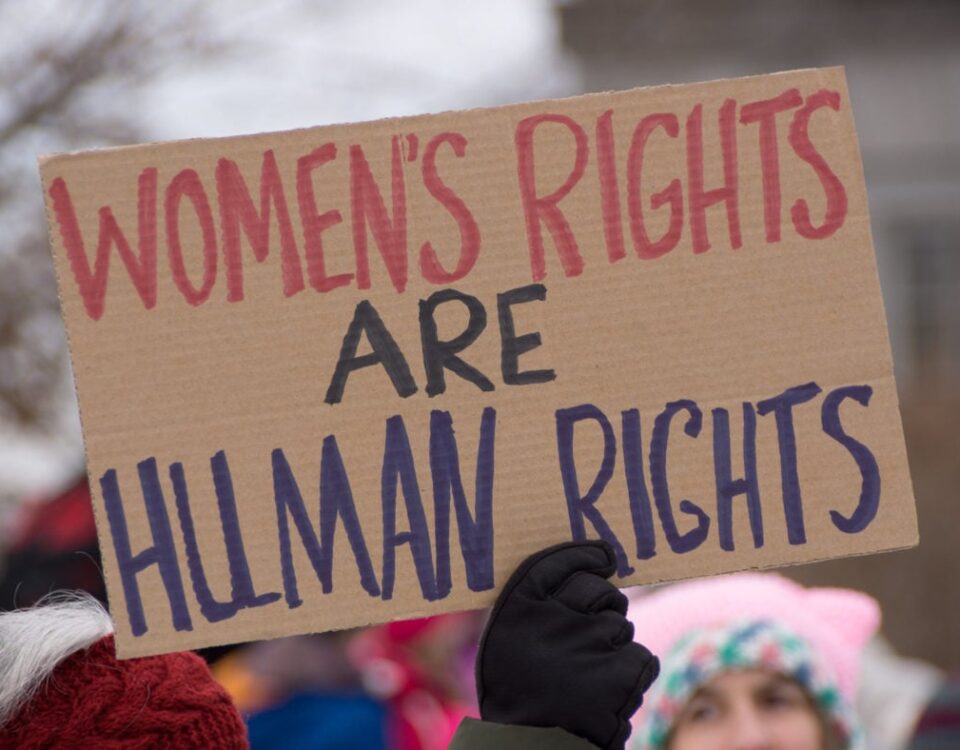
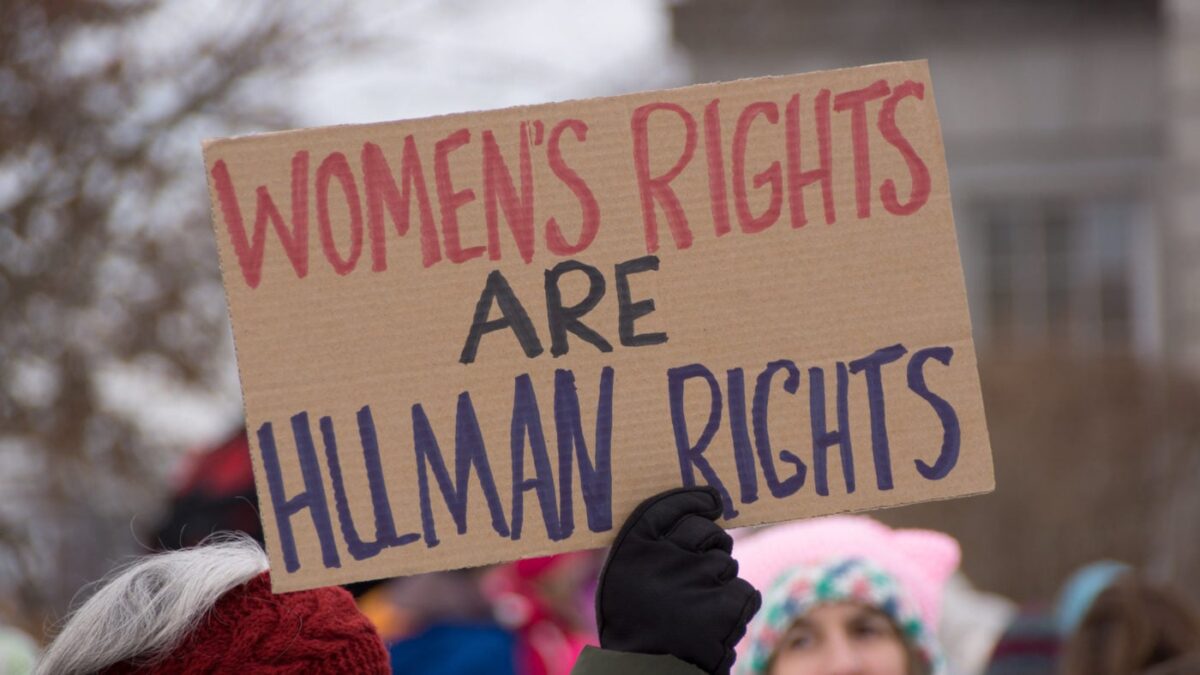
Noi ricordiamo il 10 marzo 1946 come un momento importante per il progresso e il riconoscimento dei diritti civili delle donne. Ma sappiamo che ancora tanta strada è da fare, come abbiamo già detto in occasione dell’8 marzo. Continuiamo a combattere per i diritti umani civili politici di tutte le donne!
Il Direttivo
Coalizione Italiana Contro la Pena di Morte APS
°°°°°°°°°°°°°°°°°°°°°°°°°°°°°°°°°°°°°°°°°°°°°°°°
On March 10, 1946, Italian women voted for the first time in local elections, thanks to the 1945 law that established universal suffrage.
Italian women also voted in the institutional referendum of June 2, 1946, when Italy was called upon to choose between a republic and a monarchy.
Twenty-one women were elected, known as the “mothers of the constitution,” including Nilde Iotti, who would later become the first female president of the Chamber of Deputies, and Angelina Merlin, author of the law that would lead to the abolition of prostitution as a state-regulated phenomenon.
This vote was intended to recognize the value that women had had during the years of the Resistance, when they learned to act as couriers, helping the partisans and the entire resistance movement. European authoritarian regimes had interrupted the progress that had begun to be seen in the female universe after the First World War; they wanted women to be mothers and educators.
We remember March 10, 1946, as an important moment for the progress and recognition of women’s civil rights. But we know that there is still a long way to go, as we already said on March 8. Let’s continue to fight for the civil and political human rights of all women!
ICADP Board of Directors